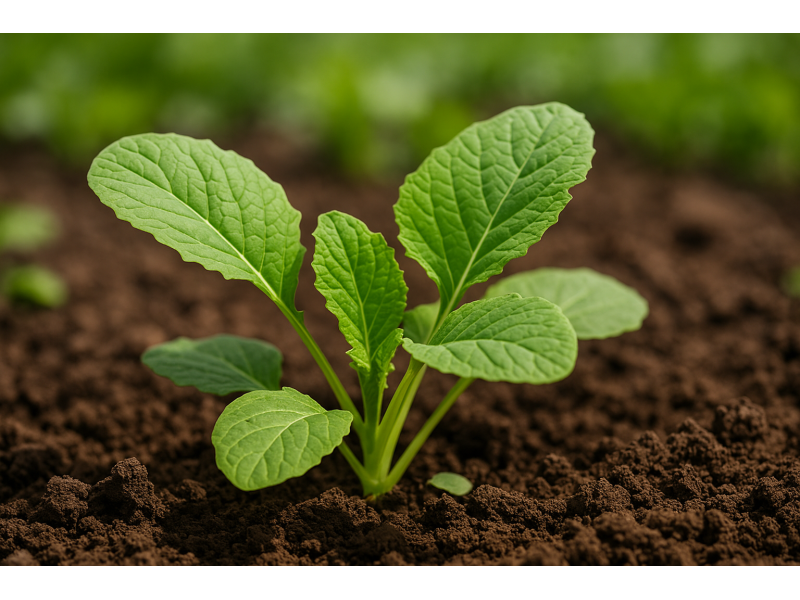
The role of boron and molybdenum in plant nutrition: impact on yield, when to apply and for which crops they are needed
Microelements boron and molybdenum are small in norm, but critical in importance for the crop nutrition system. They regulate biochemical processes, without which full flowering, setting, nitrogen assimilation and formation of a high-quality harvest are impossible. In many farms today, a hidden deficiency of these elements leads to thinning of crops, "empty" baskets in sunflower, poor seed filling in rapeseed and weak nitrogen fixation in legumes.
Modern agricultural technologies offer a wide selection of microfertilizers that allow you to quickly and effectively compensate for the deficiency. If you are looking for proven solutions, the professional catalog offers both mono-preparations and complex microfertilizers for foliar and soil treatments - view the assortment at the link: https://tkagroseeds.com/mikrodobryva/ .
The availability of boron and molybdenum in the soil depends on texture, pH, organic matter content and climatic conditions. Sandy soils and acidic black soils often show deficiencies in both elements; while some heavy soils retain boron better, molybdenum may be limited there due to low pH. Therefore, there are no universal recommendations without soil analysis - a local approach is needed.
- Boron is mainly involved in the formation of cell walls and the functioning of growth points.
- Molybdenum is an activator of nitrogen metabolism enzymes and the key to nitrogen fixation in legumes.
- The synergy of boron and molybdenum ensures high-quality pollination and seed setting.
How boron works in a plant
Biologically, boron participates in the formation of boron-pectin bonds in cell walls, stabilizes membranes and ensures the normal functioning of the apex - the growth point. It is through these mechanisms that boron affects the plant's ability to bloom normally and form fruits. Violation of these processes leads to ovary drop and poor seed formation even if the leaf mass looks normal.
- Control of pollen formation and pollen tube germination.
- Movement of carbohydrates from the leaf to the generative organs.
- Participation in the regulation of tissue water status.
The role of molybdenum in nitrogen metabolism
Molybdenum is important as a cofactor for nitrate reductase and nitrogenase, enzymes that convert nitrates into an absorbable form and allow legumes to fix atmospheric nitrogen. Molybdenum deficiency makes even intensive nitrogen fertilizer application ineffective: nitrates accumulate in leaves, growth slows down, and protein synthesis decreases.
- Stimulation of enzyme systems for nitrate conversion.
- Supporting symbiotic nitrogen fixation in legumes.
- Improving the protein/moisture ratio in grains and seeds.
Crops for which boron and molybdenum are critical
The response of crops to the deficiency of these elements varies in degree and form of losses. There are "risk groups" where even a small deficiency leads to significant economic losses.
- Rapeseed is particularly sensitive to boron during the budding phase; deficiency leads to "empty" pods and loss of oil content.
- Sunflower — boron affects the basket filling ratio and the weight of 1000 seeds.
- Sugar beets - need boron to prevent core rot and maintain sugar content.
- Legumes (soybeans, peas, beans) are in dire need of molybdenum for normal nitrogen fixation.
- Brassicas - show symptoms of molybdenum deficiency in the form of leaf deformation and poor fruit setting.
In addition to those listed, most vegetable and fruit crops respond positively to a balance of boron and molybdenum in nutrition.
When and in what form to submit: practical recommendations
The effectiveness of micronutrients is determined not only by the dose, but also by the timing of application and the form of the preparation. There are three main approaches: pre-sowing application/seed treatment, soil application and foliar feeding.
- Pre-sowing seed treatment is a cost-effective way to provide a starting dose of boron and molybdenum.
- Soil application is justified in case of systematic deficiency in the field; it ensures long-term replenishment of reserves.
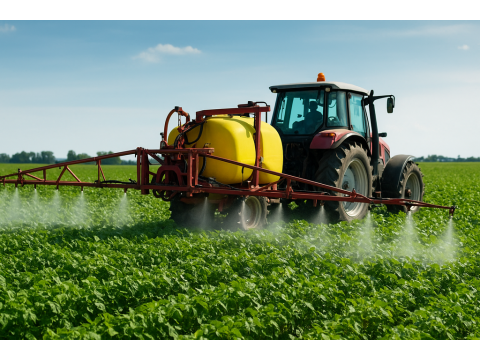
- Foliar feedings give quick results during critical phases (budding, flowering, filling), especially in dry weather.
Typical rates (approximate, need to be adjusted for soil analysis): boron - 150–300 g of active ingredient/ha; molybdenum - 20–60 g of active ingredient/ha. For vegetable and garden crops, rates may be higher, foliar treatments - in milligrams per liter of working solution.
Forms recommended by agronomists:
- boron chelates and boric acid for foliar treatments;
- borethanolamine - for better compatibility with other drugs;
- ammonium or sodium molybdate — as soil and foliar forms of molybdenum;
- Complex liquid microfertilizers with adhesives and amino acids are the optimal choice for foliar feeding.
Signs of deficiency and diagnostic errors
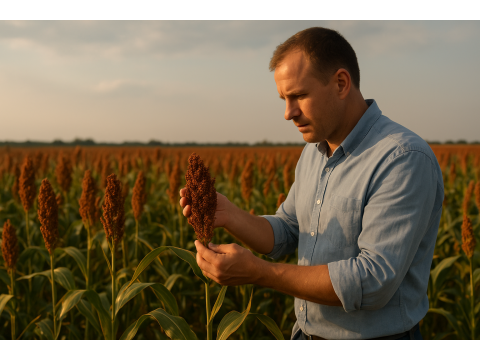
Deficiency symptoms sometimes resemble other problems (diseases, pests, macronutrient deficiencies). Therefore, before drawing conclusions, it is advisable to conduct a leaf or soil analysis. However, there are classic markers that give a quick guess.
- Boron deficiency: curvature and fluffiness of young leaves, dieback of the top, empty flowers, cracking of root crops.
- Molybdenum deficiency: general whitening of young parts, low response to nitrogen fertilization, poor nodule function in legumes.
A common mistake is to apply additional nitrogen when symptoms resemble nitrogen starvation, when the real cause is a lack of molybdenum. This leads to nitrate accumulation and inefficient fertilizer use.
Interaction with pH, humus and other elements
The availability of boron and molybdenum is highly dependent on soil pH. Boron is more readily leached from acidic sandy soils, while molybdenum becomes unavailable at low pH. Increasing organic matter improves buffering and retention of trace elements.
- Liming and molybdenum application are recommended on acidic soils.
- On light soils, frequent, small doses of boron in foliar applications are beneficial.
- Excess calcium can reduce boron availability under certain conditions.
Therefore, before adjusting the nutrition system, it is logical to conduct an agrochemical analysis and take into account the characteristics of the field (texture, fertilizer history, previous crops).
Where to buy micronutrients and how to choose a supplier
To achieve a stable effect, you should purchase certified products from well-known manufacturers or proven distributors. Important selection criteria: form of the trace element (chelate/non-chelate), concentration, compatibility with pesticides, availability of technical data sheets and laboratory test results.
- Choose suppliers with open information about composition and application recommendations.
- Check for certificates and test reports.
- Plan your purchase taking into account the season - during peak periods, deliveries may be delayed.
As an example, professional catalogs offer a wide selection of microfertilizers for various technologies: pre-sowing treatment, soil application, and foliar systems.
Practical examples of the effect of application
In practice, agronomists report numerous cases where timely application of boron and molybdenum allowed the field to be freed from a "hidden deficiency" and increased yield. For example, in rapeseed, foliar application of boron during the budding phase increased the percentage of seed setting by 8–12% and the weight of 1000 seeds. In soybeans, the addition of molybdenum during seed treatment increased the number of active nodules and the yield increase by 0.2–0.6 t/ha, depending on the starting conditions.
- Rapeseed: foliar boron treatments during the budding phase — better pod filling.
- Sunflower: increasing the basket filling ratio with foliar boron application.
- Soybeans: molybdenum treatment for a more stable start and more nodules.
Summary and recommendations for the agrarian
To make the use of boron and molybdenum economically viable and biologically effective, follow a simple algorithm:
- Conduct an agrochemical analysis of soil and leaves.
- Plan applications according to the crop growth phases.
- Use combinations of forms (pre-sowing treatment + foliar feeding) for maximum effect.
- Choose products with certified composition and technical data sheets.
Balanced, reasonable application of boron and molybdenum is not only a fight against deficiency, but an investment in the stability and quality of the harvest. If necessary, I will adapt this article for a specific crop, add a table of application rates, or prepare meta tags for OpenCart (Title, Description, Keywords) in a separate file.