Self-installation of an electric fence: step-by-step instructions
Organizing effective livestock management or protecting an area from wild animals often requires reliable solutions. One of the most popular and effective methods is the installation of an electric fence. This is a system that creates a safe barrier that keeps animals in a defined area or scares away unwanted guests. Installing an electric fence yourself may seem like a daunting task, but with the right information and the necessary components, it is quite feasible.
Choosing the right equipment is a key step. It is important to consider the type of animals, the area to be fenced, as well as the specifics of the area. On our website you can find everything you need to buy an electric fence and successfully install it. From powerful generators to reliable insulators - we offer a wide range of products for your farm.
Choosing an electric shepherd kit: the basis for success
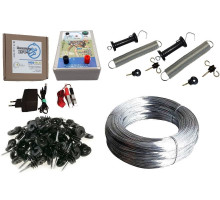
Before starting the installation, you need to decide on the type and power of the electric fence. Different types of animals require equipment with different impulse strengths. For example, cattle need a more powerful generator than sheep or goats. It is also worth considering whether you plan to protect the territory from wild animals, such as wild boars or deer. In such cases, choose specialized electric fence kits from wild animals , which provide maximum protection. The availability of ready-made kits simplifies the selection process, as they already contain all the necessary components to create a basic fence.
Types of electric shepherd kits
- Cow kits: usually have higher generator power and stronger components.
- Sheep and goat kits: may be less powerful, but provide reliable containment of small livestock.
- Horse kits: often require the use of special tape for animal safety.
- Wild animal kits: are characterized by high power and resistance to external influences.
Preparation for installation: required tools and materials
To successfully install an electric fence, you will need certain tools and materials. Some of the basic tools include a hammer, pliers, wire cutters, a tape measure, and possibly a screwdriver. It is important to have enough insulators, conductors (wire, cord, or tape), and appropriate posts for the electric fence . The choice of posts depends on the type of soil and the desired strength of the fence. These can be wooden, metal, or fiberglass posts.
Basic materials for installation
- Generator (electrifier): the heart of the system, generating pulses.
- Insulators: Attach to posts and prevent current leakage. For example, a self-tapping insulator for an electric fence is a convenient option for quick installation.
- Conductors: a wire, cord, or tape that conducts current around its perimeter.
- Posts: base for attaching conductors.
- Gates: for convenient passage of people and equipment.
- Voltage tester: to check the system's performance.
Step-by-step installation instructions
Step 1: Planning and Marking
Before starting work, carefully plan the location of the electric fence. Determine the perimeter to be fenced and mark the places for installing the posts. Take into account the terrain, the presence of obstacles (trees, bushes) and the space for the gate. You can use a measuring tape and pegs to accurately place the posts.
Step 2: Installing the columns
Install the posts around the perimeter according to the markings. The depth of the posts depends on their type and height, but is usually at least 50-70 cm to ensure stability. It is important that the posts are installed vertically. If you are using an electric fence attachment on fiberglass reinforcement , make sure that the reinforcement is securely fixed in the ground.
Step 3: Installing insulators
On each post, install insulators at the required height. The height of the insulators depends on the type of animal. For cattle, 2-3 rows of conductors are usually installed, for small cattle - 1-2 rows. Make sure that the insulators are securely fixed and not damaged. For example, an insulator for an electric shepherd on metal posts from 8 to 14 mm (with a screw) provides a strong fastening.
Step 4: Tensioning the conductors
Stretch the wire, cord or tape between the insulators. The conductors should be tensioned evenly, without sagging. Use special connectors to connect the conductors. If you are using multiple lines of conductors, make sure they are insulated from each other. It is important to choose the right type of conductor, for example, ELEON 3-core rope (cord) for electric fences can be a good choice for certain types of fences.
Step 5: Connecting the Generator
The electric shepherd generator is installed near a power source (outlet or battery). Connect the conductors to the appropriate terminals of the generator. It is important to observe the polarity and manufacturer's instructions. It is also necessary to ensure reliable grounding of the system using a special grounding conductor. This is critical for the safety and efficiency of the electric shepherd.
Step 6: System Testing
After installation is complete, check the operation of the electric fence using a voltage tester. Make sure that the pulses travel the entire length of the fence and have the required power. If you find sagging wires or a weak signal, check all connections and insulation.
Installation features for different types of animals
Electric cattle herder
Cows need a strong and reliable fence. Use powerful generators and dense posts. Usually 2-3 rows of conductors are installed at a height of 60 to 120 cm. It is important to ensure reliable grounding, as cows may be more persistent in trying to get through the fence.
Electric shepherd for sheep and goats
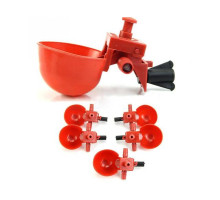
For small livestock, less powerful generators can be used. Usually 1-2 rows of conductors at a height of 40 to 80 cm are enough. It is important to consider that sheep and goats can be more agile, so the fence should be without gaps where they could slip. Specialized plastic drinkers for sheep and goats with a tubular valve are well suited for this, which provide a stable water supply.
Electric shepherd for horses
When installing an electric fence for horses, safety is especially important. It is recommended to use a wide tape instead of wire, as it is better visible to the animals and reduces the risk of injury. The yellow tape for horses farmer 20 mm, 200 m is an excellent choice for this purpose. The height of the conductors is usually from 80 to 140 cm, depending on the size of the horses.
Electric shepherd for protection against wild animals
To protect against wild animals such as wild boars, foxes or deer, powerful systems are required. The height of the fence and the power of the generator should be significantly higher. It is important to consider that wild animals can be more aggressive and strong. In such cases, it is worth considering specialized sets of electric fences from wild animals , which have increased power and durability.
Common installation mistakes and how to avoid them
- Insufficient grounding: This is one of the most common mistakes that leads to weak pulse or complete system failure. Always use at least three grounding rods driven into the ground at least 1.5 meters deep.
- Using poor-quality insulators: poorly insulated posts lead to current leakage and reduced fence efficiency.
- Improper tensioning of conductors: Sagging conductors can cause animals to step on them or become entangled.
- Placing the generator in an inaccessible location: The generator must be easily accessible for maintenance and inspection.
- Ignoring testing: Always test the system after installation and regularly during operation.
Maintenance and operation of the electric shepherd
To ensure long-term and reliable operation of the electric fence, it is necessary to regularly carry out its maintenance. This includes checking the integrity of the conductors, the reliability of the fastenings, the condition of the insulators and the impulse power. Particular attention should be paid to the grounding system. In winter, when the ground may freeze, the effectiveness of the grounding may decrease, so additional maintenance may be required.
Frequently asked questions about installing an electric fence
Can I use an electric shepherd in winter?
Yes, most modern electric shepherds can be used in the winter. However, it is worth considering that freezing of the soil can affect the effectiveness of the grounding. Also, if you plan to use the electric shepherd to keep livestock on pasture in the winter, make sure that the system has enough power to overcome a possible layer of snow.
What is the optimal distance between posts for an electric shepherd?
The optimal distance between posts depends on the type of posts, the strength of the conductors and the terrain. Typically, for wooden or metal posts this distance is from 10 to 15 meters. For fiberglass posts the distance can be greater, up to 20 meters. It is important that the conductors are sufficiently tensioned and do not sag.
Is an electric shepherd safe for animals?
When properly installed and used, the electric fence is safe for animals. The impulse it generates is short and unpleasant, but does not harm the animals' health. It acts as an effective deterrent, teaching animals to avoid contact with the fence.
How often should you check the voltage in an electric fence?
It is recommended to check the voltage in the electric fence at least once a week, and even more often during periods of active operation. This will help to detect any malfunctions in time and ensure reliable protection of your farm.
What generator power is needed for my electric shepherd?
The power of the generator depends on the length of the fence, the type of animals and the presence of vegetation that can come into contact with the conductors. For short fences (up to 1 km), a generator with a power of 1-2 J is usually sufficient. For longer fences or for protection against wild animals, more powerful generators are required (from 5 J and above). On our website you can find a wide selection of generators to buy an electric shepherd with the appropriate power.

0 reviews / Write a review