Electric fence installation - how to properly install an electric fence
The installation of the electric fence is a key factor in the effectiveness of the electric fence. Even a powerful pulse generator will not provide the necessary voltage along the entire length of the fence if the system is installed incorrectly. High-quality installation guarantees a stable electrical impulse, reliable contact with the animal and long-term operation of the entire fence.
The electric fence works as a closed electrical circuit. The pulse from the generator travels along a conductor, through the animal's body into the ground, and returns through the grounding system. Any defect in this circuit—a loose connection, contact with vegetation, or poor grounding—reduces the voltage and renders the fence ineffective.
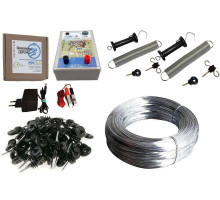
All elements for proper installation can be found in the electric fence section.
Basic elements of an electric fence
The electric fence system consists of several interconnected components. Each of them affects the strength of the impulse and the stability of the fence.
- pulse generator ⚡
- conductor (wire or cord)
- insulators
- columns
- grounding
- goal
Installing columns
Posts shape the geometry of the fence and hold the conductor at a given height. Incorrect placement or weak fastening leads to sagging of the wire and loss of contact with the animal.
The optimal distance between the posts is 6–12 meters, depending on the type of conductor and the terrain. At bends and corners, posts are installed more often and additionally reinforced, since this is where the greatest tension in the wire occurs.
Installation of insulators
Insulators prevent current from leaking from the power line to the pole. If the conductor touches metal or damp wood, the voltage drops sharply. That is why the quality and correct installation of insulators are critically important.
The height of the insulators is selected according to the type of animal. They must be installed in one line, firmly fixed and able to withstand the tension of the conductor without displacement.
Wire or cord tension
The wire of the electric fence should be tensioned evenly without sagging. Weak tension reduces contact with the animal, and excessive tension can damage the insulators or posts. It is important to ensure a closed circuit without breaks and unreliable connections.
Particular attention should be paid to vegetation. Grass or branches touching a conductor create a current leak into the ground, which dramatically reduces the voltage across the entire fence.
Grounding is the basis of the work of an electric shepherd
Grounding is the most important element of the system, as it is through it that the current returns to the generator. Most problems with electric fences are associated with insufficient or incorrect grounding.
Metal grounding pins are installed in moist soil to a depth of 1–2 meters. For powerful generators, several pins are used, connected together. The better the contact with the ground, the more stable the voltage across the fence.
Connecting the generator
The pulse generator is placed in a dry place, protected from precipitation. The wire to the fence should be as short as possible and securely fixed in the terminals. Poor contact at the connection point can reduce the efficiency of the entire system.
Voltage check
After installation, it is necessary to check the voltage along the entire length of the fence. This allows you to detect losses, weak connections or grounding problems. To check, use an electric fence tester.
Typical installation errors
- weak or short grounding;
- contact of the conductor with the grass;
- sagging wire;
- unreliable connections;
- liquid columns;
- poor quality insulators.
Mounting for different animals
The configuration of the electric fence varies depending on the type of animal. Sheep require more lines due to their thick wool, while horses require more visibility of the fence.
- sheep - 3–4 lines;
- cows - 1–2;
- horses - ribbon;
- goats - 4 lines;
- pigs - low line.
Conclusion
Proper installation of the electric fence ensures stable voltage along the entire length of the fence and effective animal control. The most important factors are high-quality grounding, correct conductor tension and reliability of all connections. Compliance with the installation technology guarantees long and safe operation of the electric fence.

0 reviews / Write a review