Wire, cord and tape for electric shepherds - which conductor to choose
The conductor is the conductive line of the electric fence, along which the pulse from the generator passes along the entire fence. It is the quality of the conductor that determines the voltage in remote areas and the stability of the electric fence. An incorrectly selected wire or cord can reduce the efficiency of even a powerful generator.
Electric fence systems use three main types of conductors — wire, cord, and tape. The choice depends on the type of animal, the length of the fence, and operating conditions. You can view all the options in the electric fence section.
Electric shepherd wire
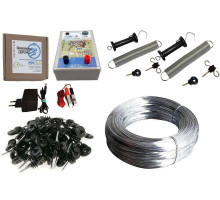
Metal wire has the lowest electrical resistance, so it provides maximum impulse transmission over long distances. It is the best option for long pastures, stationary fences and systems with powerful generators.
The wire holds tension well and is resistant to weather conditions, so it is used in permanent electric fences for cows and large areas.
The cord of the electric shepherd
The cord consists of polymer threads with metal conductors woven in. It is more flexible than wire and easier to install. The cord is often used in mobile fencing and medium-length systems.
Stranded cords have better conductivity and are suitable for sheep and goats where contact through the wool is important. They are also suitable for temporary pens and variable pasture configurations.
Electric shepherd tape
The tape has a wide, flat shape and is highly visible to animals. That is why it is most often used for horses that need to see the fence. Visibility reduces the risk of collision and increases safety.
Due to its larger area, the tape has slightly higher resistance than wire, so it is used on shorter sections or with generators of sufficient power.
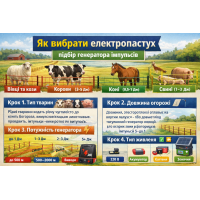
What influences the choice of conductor?
The type of conductor is selected taking into account the operating conditions. Conductivity is important for long pastures, visibility for horses, and flexibility for mobile systems.
- type of animal;
- length of the fence;
- stationary or mobile system;
- pasture conditions;
- generator power.
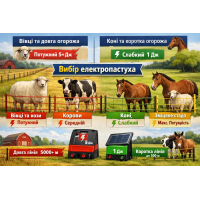
Which guide for which animals?
Different animals require different properties of the conductor. Woolly animals need stable contact, while horses need the visibility of the fence.
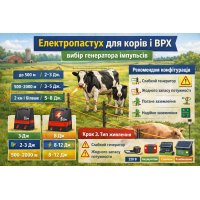
- cows - wire or cord;
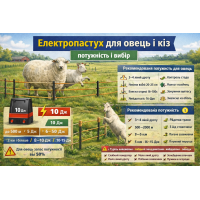
- sheep - multi-strand cord;
- goats - cord;
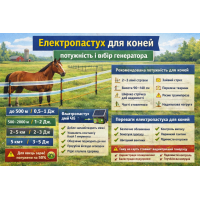
- horses - ribbon;
- mixed herds — cord.
Conclusion
Wire, cord and tape of an electric fence have different properties and are selected depending on the animals and the length of the fence. Wire provides maximum conductivity, cord - versatility and flexibility, and tape - visibility for horses. The correct choice of conductor guarantees stable voltage and efficient operation of the electric fence.
You can choose wire, cord or tape in the Fermateh electric fence category.
FAQ — Electric Shepherd Conductor
Which is better - wire or cord?
Wire has less resistance and is suitable for long fences, while cord is more versatile and flexible.
Why is tape used for horses?
The tape is clearly visible, so horses perceive the fence better and are less likely to be injured.
What is the guide for the sheep?
The multi-strand cord provides better contact through the wool.
Does the length of the fence matter?
Yes, the longer the fence, the more important the conductivity of the conductor.

0 reviews / Write a review