How to scare pigeons off your roof, balcony, warehouse and farm
Pigeons are one of the most common pest birds in cities and agriculture. They damage roofs, pollute facades, destroy feed and grain, and also carry parasites and infections. The problem is especially acute for elevators, warehouses, farms, solar power plants and private homes.
Modern methods allow you to effectively scare away pigeons without harming the birds, using visual, sound, and technological means of protection.
Why do pigeons choose buildings and farms?
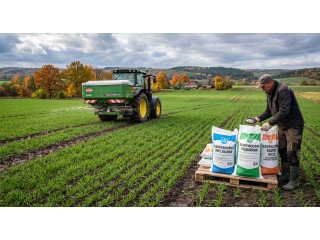
Pigeons seek out places with three key conditions: food, water, and shelter. Roofs, rafters, sheds, and granaries are ideal for nesting and resting. If the birds regularly find food or a safe place, they form permanent colonies.
- availability of grain or feed
- warm shelters from the wind
- high points for landing
- absence of predators
Effective ways to scare away pigeons
Visual deterrents
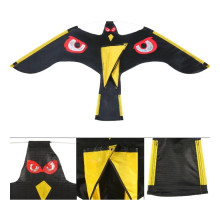
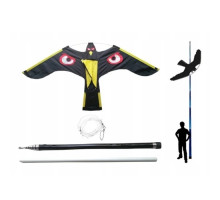
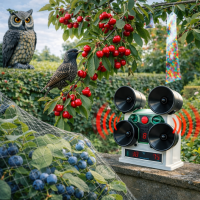
Reflective tape, balls, predator models and shiny elements create visual discomfort and danger to birds. The method is suitable for balconies, roofs and small areas.
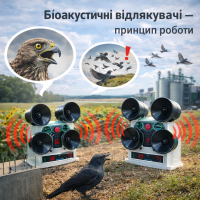
Bioacoustic repellers
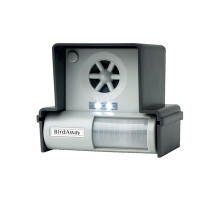
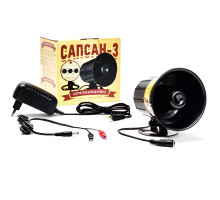
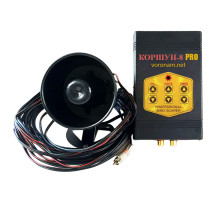
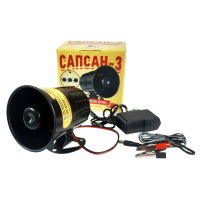
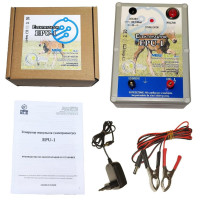
Professional devices reproduce the cries of birds of prey and the alarm signals of pigeons. This is a natural danger signal that forces the colony to leave the territory. The most effective method for warehouses, elevators and farms.
Ultrasonic devices
Creates a sound field that is unpleasant for birds. Used on roofs, under canopies, and near buildings.
Physical barriers
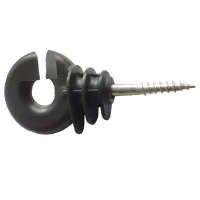
Spikes and wire prevent pigeons from landing on eaves, beams, and structures.
How to scare pigeons off the roof
- install spikes on the eaves
- place reflective tapes
- install an ultrasound device
- use a bioacoustic repeller
How to scare pigeons away from a warehouse or elevator
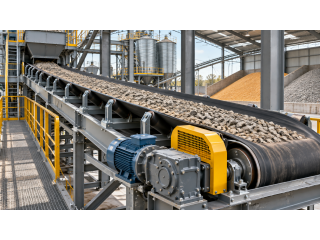
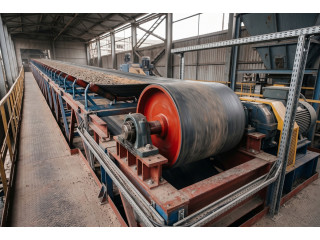
Bioacoustic systems work best on large facilities, as they cover large areas and influence colony behavior. Laser or light repellers are also used for hangars and enclosed spaces.
To select a professional solution, see the bird repellers category.
Do pigeons get used to repellents?
Birds can become accustomed to static devices, so it is recommended to combine several methods - sound, light and physical barriers. Bioacoustic systems have variable signals, so they are effective in the long term.
Which pigeon repeller is the most effective?
- balcony or roof — visual + ultrasonic
- private house - combined
- farm or warehouse — bioacoustic
- Elevator - professional system
Conclusion
Pigeons quickly colonize areas with food and shelter, so it is important to use effective deterrent systems. The best results are obtained by combining several technologies and correctly selecting equipment for the area and type of object.
You can view professional solutions in the Fermateh bird repellers section.
FAQ - how to scare away pigeons
What scares pigeons the most?
The sounds of birds of prey and danger signals have the strongest effect - this is the natural fear of pigeons.
Do ultrasonic repellers work?
Yes, but they are effective in limited areas and are more suitable for buildings.
Are repellents humane?
Yes, modern systems only create discomfort and do not harm birds.
How quickly do pigeons leave the territory?
Usually within a few days of installing an effective repellent.
Common mistakes when choosing and using equipment
Choosing the right tools to ensure effective pigeon repellers is a responsible task. The wrong approach can lead to a waste of resources and a lack of the expected result. Let's consider the most common mistakes made when operating such devices.
1. Insufficient assessment of the scale of the problem and selection of the wrong type of device
One of the most common mistakes is choosing a means without taking into account the specifics of the area and the number of birds. For example, using only visual methods in a large area where pigeons are already established may be ineffective. Birds quickly get used to static objects.
- Consequences: Pigeons ignore the repeller, continuing to cause damage.
- Prevention: Before purchasing, assess the area to be protected and the extent of the problem. For larger areas or when there are significant bird populations, consider combined methods or more powerful devices.
2. Improper placement and installation for bird protection
Even the most effective device will not work if it is not installed correctly. This applies to both physical placement and settings. For example, ultrasonic sensors can be ineffective if they are installed too low or if the sound waves are blocked by obstacles, which disrupts the quality of bird protection .
- Consequences: Decreased efficiency of the device, rapid habituation of birds.
- Prevention: Carefully study the manufacturer's instructions. Place the devices at the optimal height and at the correct angle. Make sure there are no obstacles to operation (for example, for ultrasonic or acoustic repellers).
3. Ignoring birds' habituation to certain methods
Pigeons are intelligent birds that are able to adapt. What works today may not work after a while. Birds can become accustomed to certain sounds, smells, or visual objects if they don't change.
- Consequences: The return of pigeons after initial success.
- Prevention: Change deterrent methods regularly, combine different types of devices. Use devices that mimic birds' natural enemies or create unpredictable stimuli.
4. Using only one type of pigeon control device
The best results are achieved through an integrated approach. Using only one type of equipment, for example, ultrasonic alone, may not be sufficient to completely evacuate the birds, so pigeon control must be systematic.
- Consequences: Incomplete solution to the problem, the need for constant monitoring.
- Prevention: Combine different methods. For example, install different types of devices: acoustic, ultrasonic, visual, and also use physical barriers (nets, spikes).
5. Neglecting safety for other animals and people
Some scaring methods can be dangerous to pets, wild birds, or even people. For example, sharp spikes or devices that make excessively loud sounds require caution.
- Consequences: Injuring pets, creating dangerous conditions.
- Prevention: Choose products that are safe for non-target species. Carefully study the characteristics of the devices and follow the manufacturer's recommendations for installation and operation.
6. Incorrect selection of devices for specific conditions
For example, using mains-powered devices in open areas without access to electricity, or conversely, using battery-powered devices in places with a constant power source, is inefficient.
- Consequences: Inability to use the device, additional power costs.
- Prevention: Before purchasing, determine the available power sources at the facility (electricity, solar power, batteries) and select devices accordingly.
Effective remedies for pigeons: an overview of options
There are many solutions on the market to solve this problem. It is important to choose the pigeon repellent that meets your needs and operating conditions.
Acoustic and ultrasonic repellers
These devices generate sounds that are unpleasant to birds. Acoustic repellers imitate the cries of birds of prey or sounds of danger, while ultrasonic repellers emit high-frequency waves that only animals can hear.
- Advantages: Can cover large areas, effective against various bird species.
- Disadvantages: Possibility of birds getting used to monotonous sounds, ineffectiveness in enclosed spaces for ultrasonic devices.
Visual deterrents and their role
This category includes shiny ribbons, 3D bird of prey figures, mirrors, and other objects that create movement or reflections. They are often used if birds on the roof become a real problem for homeowners.
- Advantages: Cheap, easy to use, no power required.
- Disadvantages: Least effective in the long term, birds quickly become accustomed to static objects.
Physical barriers
This category includes bird spikes, nets, and tensioned wires. They physically prevent pigeons from landing on certain surfaces, which is critical when birds on a balcony are damaging property.
- Advantages: Very effective, provides long-lasting protection, does not affect other animals.
- Disadvantages: Can be expensive to install, require certain skills for installation, can spoil the aesthetics of the building.
Bioacoustic bird repellers
These devices mimic the sounds of birds of prey or sounds that make birds feel threatened. When birds on a farm cause crop damage, such devices become indispensable helpers.
- Advantages: Effective, create realistic sounds that scare away birds.
- Disadvantages: Can be noticeable to people, requires a power source.
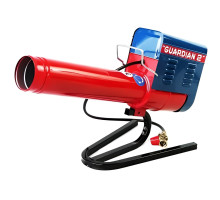
Propane repellers (guns)
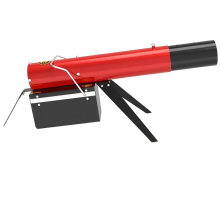
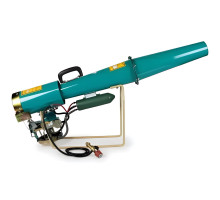
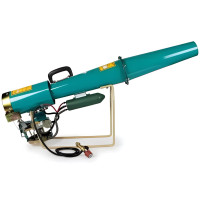
These are powerful devices that create loud explosions, simulating gunshots. They are effective for protecting large areas from birds and wild animals.
- Advantages: Very high efficiency, covers large areas, can scare away not only birds, but also small animals.
- Disadvantages: Require compliance with safety regulations, can create significant noise, require regular maintenance and gas filling.
The principle of complex deterrence
Effective protection is based on three key areas:
- elimination of attractiveness factors (food, water, nesting sites);
- creating physical barriers;
- use of behavioral deterrents.
Combining methods increases efficiency several times compared to using a single solution. Choose a suitable method of scaring off a fly in the ointment here: https://fermateh.com.ua/en/bird-repellers_en/
Mechanical protection methods
Physical barriers are the most reliable long-term solution. They do not harm birds, but they make the site unsuitable for landing or nesting.
Anti-spike spikes are installed on cornices, parapets, air conditioners and beams. They are made of stainless steel or UV-resistant plastic and last 5–10 years.
Advantages:
- durability and resistance to weather conditions;
- no need for maintenance;
- humane principle of action;
- suitable for urban and industrial facilities.
Protective nets are used to cover balconies, hangars, warehouses, farms. A high-quality net withstands ultraviolet light and temperature changes, ensuring complete blocking of access.
Effective protection against pigeons: common mistakes and ways to avoid them
Pigeons, although they are common inhabitants of urban landscapes, can cause significant damage to private households, industrial buildings and agricultural facilities. Their droppings not only spoil the aesthetic appearance, but also destroy building materials, and can also be carriers of dangerous diseases. The choice and correct use of pigeon control products is key to achieving long-term results. Practical options on this topic are collected in the Pigeon Repellents category.
Often owners are faced with the ineffectiveness of the chosen methods, wasting time and money on solutions that do not give the desired effect. This may be due to a misunderstanding of bird behavior, errors in the installation of equipment or the choice of inappropriate means. Understanding these subtleties will avoid disappointment and ensure reliable protection of your facility.
See also in the catalog
Read also