In modern agriculture, plant protection products are one of the key tools for maintaining yields and stable farm operations. Weeds, pests, and diseases can reduce crop yields by tens of percent, especially in the unstable climate of Ukraine.
As the practice of agronomists shows, effective field protection does not begin with spraying, but with the correct selection of products and technology for their application. That is why it is important to use high-quality plant protection products from trusted suppliers, such as Spektr-Agro, which offer modern solutions for various crops and growing technologies.
- What are plant protection products and why are they needed
- Main types of crop protection products
- How to choose the right products for your farm
- Features of the use of plant protection products in Ukrainian conditions
- Typical mistakes when using products
What are plant protection products and what are they used for
Plant protection products are a group of agrochemical products used to combat weeds, pests and diseases of agricultural crops. Their main task is to maintain yield potential and protect plants during critical periods of development.
In real field conditions, crops are simultaneously exposed to several types of stress: competition with weeds, damage by fungal diseases and insect attacks. Without timely protection, crop losses can reach 30–60 percent.
That is why modern agricultural technologies provide for a systematic approach to crop protection. It is important to take into account the type of crop, the phase of plant development, weather conditions and the specifics of the region.
Main types of plant protection products
In practice, all crop protection products are divided into several main groups depending on their purpose.
Herbicides
Herbicides are used to control weeds. They can be of continuous or selective action.
- control of annual weeds
- control of perennial rhizomatous species
- pre-sowing field preparation
- protection of crops in the early stages of growth
According to farmers' experience, timely application of herbicides allows to save up to 40 percent of the potential yield.
Fungicides
Fungicides are used to protect plants from fungal diseases. In wet years, their role is especially increasing.
They are most often used to protect:
- wheat
- barley
- corn
- sunflower
- rapeseed
As practice shows, preventive treatments are often more effective than curative treatments.
Insecticides
Insecticides are designed to control insect pests. In different years, the following may be a problem:
- aphids
- scoops
- corn moth
- bug harmful turtle
- rapeseed flower beetle
It is important to take into account the phases of pest development and carry out treatment at the optimal time.
How to choose the right plant protection products
The selection of products depends on several key factors. In real farm conditions, agronomists focus on the protection system, not on a single product.
Crop type
Each crop has its own set of diseases and pests. For example, for cereals, septoria and powdery mildew are relevant, and for sunflowers, phomosis and sclerotinia.
Climate and weather conditions
The Ukrainian climate is quite contrasting. In the south, drought and weeds are often the main problem, while fungal diseases are more common in the central and western regions.
Plant development phase
The use of drugs should correspond to the growth phase of the crop. For example, some herbicides are used only before emergence or in the early stages of development.
Practical advice on the use of drugs
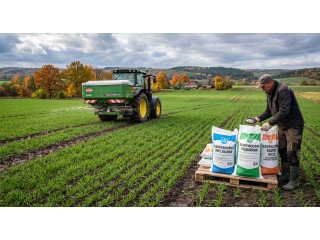
According to the experience of agronomists, the effectiveness of treatment largely depends not only on the drug, but also on the application technology.
Correct application rate
Insufficient rate may be ineffective, and exceeding it may cause phytotoxicity.
Water quality
Hard water can reduce the effectiveness of some drugs, so special adjuvants are sometimes used.
Condition of the sprayer
Uneven spraying or incorrect pressure can lead to misses and uneven coverage of plants.
Typical errors when using plant protection products
In real conditions on farms, the following are most often encountered errors:
- late application of drugs
- incorrect mixing of tank mixtures
- ignoring weather conditions
- using inappropriate consumption rates
- lack of a systematic approach to field protection
In short, effective crop protection is a combination of the right product, precise application technology and agronomic planning.
Conclusion
Modern plant protection products allow farmers to control the main risks of growing crops and stabilize yields even in difficult years. The main thing is to use them correctly, taking into account the type of crop, the phase of development and the characteristics of the field.
A comprehensive approach to crop protection, proven products and the correct application technology can significantly increase the efficiency of the farm and get the predicted result.