Breeding rabbits is a promising branch of the livestock business. The stable demand for its products is explained by the high dietary value and excellent taste qualities of the meat of these animals. The value also has fur and fluff. Relatively small financial investments are required to start a rabbit breeding business.
How quickly these investments pay off and how much you can earn from rabbits depends on the professionalism of the rabbit breeders, the chosen breed, and the technical equipment of the farm. Without which equipment such animal breeding business is impossible and what conditions are considered key for its success, you can read further.
Farm equipment for growing rabbits: types and specifics
An agricultural enterprise or its area for growing these animals must include several types of equipment and devices that are mandatory for this type of farming.

- Cells. Their dimensions are calculated based on the age and size (breed) of the animals. The size of the cage is considered to meet the necessary standards if it is at least 4 times larger than the size of the rabbit itself. Cages intended for the maintenance of female rabbits must additionally be equipped with closed boxes for offspring - brood boxes.
- Drinkers and feeders. Nipple drinkers are preferred. Such systems provide clean water without splashing. On large farms, devices for feeding rabbits of the bunker, automated type are used. If the enterprise is small, feeders can be ordinary, hand-held.
- Devices for maintaining cleanliness and care. This category of equipment includes ventilation systems, equipment for preventing contamination in the form of traps and devices for mechanical, scraping removal of manure from cages.
- Additional equipment. This type includes bunker tanks, necessary for the storage of fodder, as well as weighing systems.
The tasks of this equipment are to provide the necessary conditions for full-fledged growth and reproduction, hygiene and protection of rabbits from risk factors. And for rabbit breeders, the appropriate equipment should be convenient to use.
What conditions must be observed on a rabbit farm?
There are a number of requirements and factors, each of which significantly affects the success and profitability of the respective business.
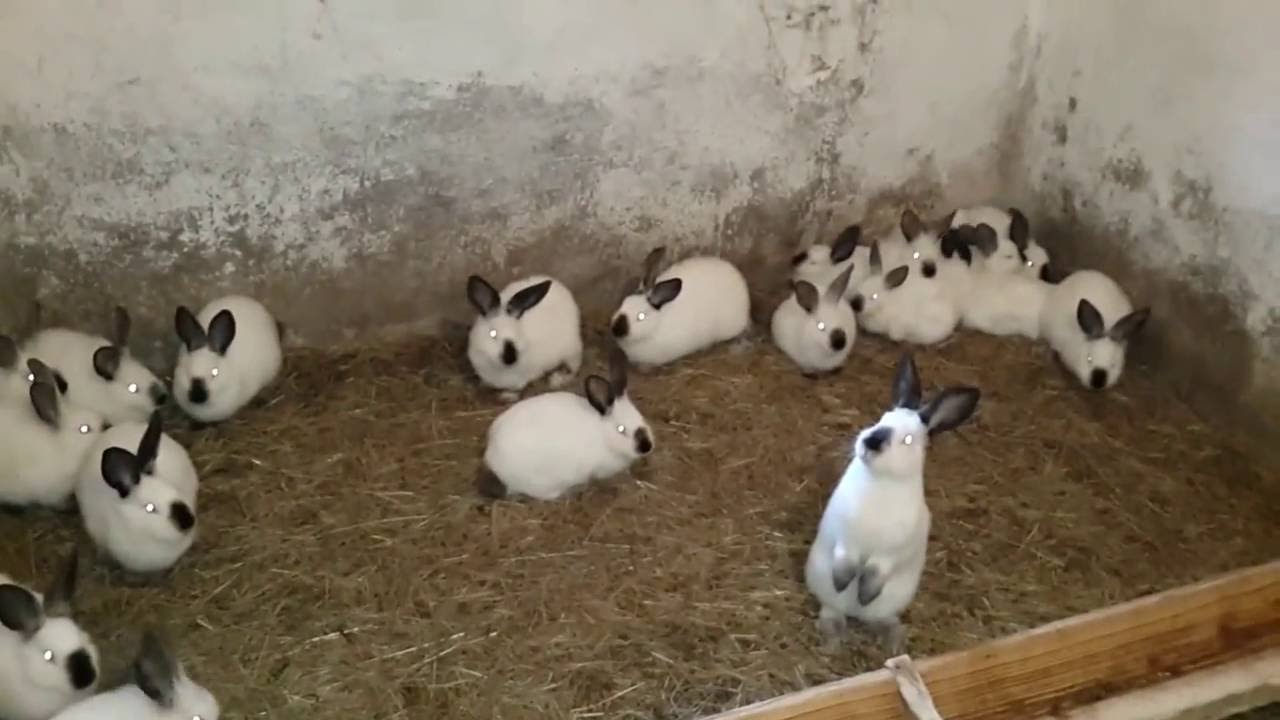
- Compliance with the temperature regime. The temperature range comfortable for rabbits is from +12°C to +18°C. Oscillations in both directions up to ±5°C are allowed. Heat is poorly tolerated by these thick-furred animals. For them, the temperature that exceeds +30°C is considered critical.
- Availability of an effective ventilation system. Its task is to provide fresh air. At the same time, there should be no drafts on the rabbit farm. Rabbits are extremely sensitive to them.
- Equipment of lighting systems. In order for the reproduction of these fluffy inhabitants of the farm to remain high, they need a daylight length of 14 to 16 hours.
- Observance of hygiene. It is not only about supporting cleanliness. High humidity is unacceptable in the premises of the rabbit farm. Since it provokes diseases in rabbits, it must be dry here.
- Enough space. According to experts, the area allocated for the cultivation of 1,000 rabbits should be at least 1,000 m², including economic zones.
Proper care, taking into account the characteristics of the breed, is crucial for the profitability of the rabbit breeding business. It is mandatory to provide high-quality feed to ensure a complete diet and to observe the schedule of their feeding.
Recommendations for beginner rabbit breeders
The length of the cage for a large-breed rabbit should be at least one and a half meters with a height of 0.6 m and a width of 0.5 m. For such a medium-sized animal, a cage of 120x60x50 cm is sufficient.
The height of the cells from the floor should be 60-70 cm. On large farms, they are usually installed in two or three tiers.

Disinfection of such rabbit houses should be carried out once a week, and their cleaning from manure - daily.
The basis of the rabbit's diet is fresh grass and twig fodder in the warm season, and hay in the winter. Jerusalem artichoke, fodder beets and carrots are useful for these animals. It is recommended to include grain in their menu (oats, crushed barley and wheat in moderate quantities), as well as peas and lentils - such legumes are a valuable source of protein. Rye, rice and millet should not be fed to rabbits.
These animals, prone to various diseases, need special vaccinations. They should be vaccinated in order to prevent HBV and myxomatosis.