The reliable operation of agricultural and specialised machinery depends directly on the condition of the hydraulic system. It is this system that ensures the operation of mounted equipment, the control of working mechanisms, the transmission of force to the working units, and the efficiency of most operations during field and production work.
In Ukraine, a significant proportion of tractors operate under high-stress conditions: long shifts, dust, temperature fluctuations, inconsistent maintenance and equipment being used to the limit of its capabilities. Under such conditions, even minor problems with the hydraulic system can quickly lead to a loss of productivity or a complete breakdown of the machinery at the most critical moment.
That is why, before the start of the season, it is important not only to carry out a basic oil or filter change, but also a comprehensive check of all system components. Experts at ‘RGS Ukraine’, a leading provider of hydraulic repair services in Ukraine, recommend treating pre-season maintenance as a preventative diagnostic check, which helps to identify hidden faults before they lead to costly repairs or prolonged machine downtime.
A professional inspection of the hydraulic system not only extends the service life of individual components but also reduces the overall running costs of the tractor. After all, repairing a pump, hydraulic motor or directional control valve following a serious breakdown is usually considerably more expensive than timely diagnosis and rectification of the initial problem.
Why pre-season hydraulic maintenance is critically important
The hydraulic system of a modern tractor is a complex assembly of components that operate with high precision and under considerable pressure. It comprises a hydraulic pump, distributors, valves, hydraulic cylinders, pipework, high-pressure hoses, filters and hydraulic fluid.
Each of these components affects the overall efficiency of the system. If one component malfunctions, it places an additional load on the other components. For example, a worn-out pump may compensate for a loss of performance by increasing the load, which gradually leads to the oil overheating and accelerated wear of the entire system.
Pre-season diagnostics are particularly important after a prolonged period of equipment downtime. During storage, problems may arise that were not apparent at the end of the previous season:
-
deterioration in the properties of the hydraulic oil;
-
the presence of condensation in the system;
-
ageing of rubber seals;
-
corrosion within individual components;
-
contamination of filter elements.
It is important to understand that a hydraulic system does not always signal a fault with a sudden failure. In many cases, the problem develops gradually. For example, a tractor may continue to lift its implements, but do so more slowly, with jerks or with the oil overheating. To the operator, such symptoms may seem minor, but they often indicate the onset of serious wear and tear.
Key steps for checking a tractor’s hydraulic system before the season
Comprehensive maintenance of the hydraulic system should involve several sequential steps. A common mistake made by many machinery owners is that they limit themselves to simply replacing consumables. In reality, oil and filters are only part of the system, and its true condition can only be assessed after checking all key components.
1. Visual inspection of hydraulic components
The first stage of pre-season maintenance is a detailed inspection of the entire hydraulic system. This allows you to identify external signs of faults, which are often the first indications of an impending breakdown.
During the inspection, attention should be paid not only to obvious oil leaks, but also to the condition of connections, fastenings and working surfaces. Even a small amount of oil near a fitting or on the housing of a component may indicate a leak.
Particular attention should be paid to the following components:
-
high-pressure hydraulic hoses;
-
metal pipework;
-
fittings and joints;
-
pump and distributor housings;
-
hydraulic cylinders;
-
mounting points for moving parts.
Hydraulic hoses are one of the most vulnerable components of the system, as they are constantly operating under pressure and are subject to mechanical stress. Even if the outer layer of the hose appears undamaged, the internal structure may already be damaged due to material ageing or repeated kinking.
Signs that a hydraulic hose needs replacing may include:
-
cracks in the outer layer;
-
bulging or deformation of the outer layer;
-
damage to the metal braiding;
-
leaks near the fittings;
-
severe surface wear.
Ignoring such problems is dangerous not only for the equipment but also for personnel. Hydraulic fluid under high pressure can penetrate through micro-damage and create hazardous situations during operation.
2. Checking the level and condition of the hydraulic oil
Hydraulic oil is one of the most important components of the system. It not only transmits energy from the pump to the actuators, but also acts as a lubricant, cools the system and protects components from wear.
During operation, the oil gradually loses its properties. Wear particles from metal components, dust, moisture and other contaminants accumulate in it.
Before the start of the season, it is necessary to check:
-
the level of the working fluid;
-
the colour and clarity of the oil;
-
the presence of mechanical impurities;
-
any smell of overheating;
-
any possible water ingress.
A change in the oil’s colour does not in itself always indicate a critical problem, as some fluids naturally darken during operation. However, a strong burnt smell or the presence of foreign particles may indicate overheating or active wear of internal components.
Particular attention must be paid to the presence of water in the system. Moisture ingress leads to a deterioration in the oil’s lubricating properties, accelerates corrosion and can damage the high-precision components of hydraulic assemblies.
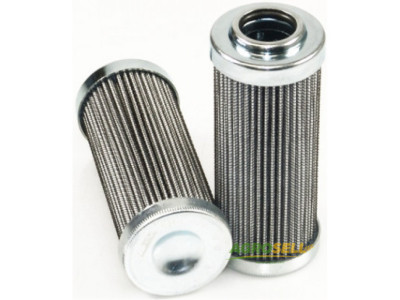
3. Replacing hydraulic filters: a simple step that protects expensive components
Filtering the working fluid is one of the key factors in the longevity of a tractor’s hydraulic system. Most modern hydraulic components are manufactured with very precise clearances, so even small particles of contamination can gradually damage friction surfaces.
During operation, the following may enter the hydraulic system:
-
metal particles resulting from natural wear and tear of components;
-
dust and dirt through damaged seals;
-
residues of old oil;
-
products of the working fluid’s oxidation;
-
water and condensation.
At first glance, such contaminants may seem insignificant, but in hydraulic systems they act as abrasives. The particles pass through the pump’s working pairs, valves and spool valves, gradually increasing the clearances between components.
As a result, the system loses efficiency:
-
pressure drops;
-
internal leakage increases;
-
the speed of the mechanisms deteriorates;
-
oil temperature rises;
-
the service life of expensive components is reduced.
Before the start of the season, it is essential to check the condition of all filter elements. Depending on the tractor’s design, various types of filters may be used:
-
suction filters;
-
pressure filters;
-
return line filters;
-
additional fine filters.
It is important to bear in mind that even high-quality new hydraulic oil cannot compensate for operating with a contaminated filter. After an oil change, the old filter element can quickly return contaminants back into the system.
This is precisely why comprehensive hydraulic system maintenance must include a simultaneous assessment of the condition of the oil, filters and internal system components.
4. Diagnosing a hydraulic pump: how to identify a problem before a serious breakdown
Hydraulic pumps are one of the most critical components of a tractor. They generate the necessary flow of hydraulic fluid and ensure the operation of all actuators.
A pump may gradually lose performance due to natural wear and tear, oil contamination, overheating or incorrect operation. The problem is that external signs of a fault often only become apparent once the component is already in need of repair.
The main symptoms of problems with the hydraulic pump are:
-
slow operation of attachments;
-
insufficient system pressure;
-
unusual noise during operation;
-
overheating of the working fluid;
-
erratic operation of hydraulic mechanisms;
-
the need for higher engine revs to perform routine operations.
However, it is important not to conclude that the pump is faulty based on just one symptom. For example, slow movement of a hydraulic cylinder may be caused not only by the pump, but also by a faulty valve, a clogged filter or an internal leak in the cylinder.
Therefore, professional diagnostics involves measuring the system’s actual parameters:
-
operating pressure;
-
pump flow rate;
-
oil temperature;
-
level of internal leaks.
Such testing makes it possible to determine the actual condition of the unit and make the right decision: whether to carry out repairs, replace individual parts or continue operation.
In the practice of repairing hydraulic systems, there are often cases where timely diagnosis makes it possible to restore the pump without having to completely replace the expensive unit.
5. Checking the condition of hydraulic cylinders before starting work
Hydraulic cylinders convert the energy of the working fluid into mechanical motion. They operate under significant loads and are often subjected to harsh conditions: dust, moisture, impacts and temperature fluctuations.
Even minor damage to the piston rod or seals can lead to oil leaks and a reduction in the efficiency of the entire system.
During a pre-season inspection, the following must be assessed:
-
the condition of the rod surface;
-
the tightness of the seals;
-
the presence of oil traces;
-
smoothness of movement;
-
the condition of the mountings and joints.
Particular attention should be paid to the surface of the piston rod. Scratches, corrosion or mechanical damage can quickly cause new seals to fail after repair.
Typical signs of problems with hydraulic cylinders:
-
the equipment lowers slowly even without a load;
-
the mechanism moves in jerks;
-
external leaks occur;
-
the cylinder fails to hold its position;
-
the equipment’s position needs to be constantly adjusted.
In many cases, the hydraulic cylinder does not need to be completely replaced. Professional refurbishment may include:
-
replacement of seal kits;
-
repair or restoration of the piston rod;
-
reconditioning of the seating surfaces;
-
checking the geometry of the cylinder body.
This significantly reduces costs compared with purchasing a new unit.
6. Testing the hydraulic distributor and valve assembly
Distributors are responsible for controlling the flow of working fluid between different system circuits. The accuracy and speed of operations depend on their performance.
Wear or contamination of the distributor may develop gradually. The operator often notices only a general deterioration in the machine’s performance, although the cause may lie precisely in this assembly.
Main signs of a fault:
-
delayed response to controls;
-
uneven operation of mechanisms;
-
unintended movement of the equipment;
-
unstable pressure;
-
oil leaks.
The causes of these problems may include:
-
contamination of the working fluid;
-
mechanical wear of spools;
-
damage to seals;
-
use of unsuitable oil.
For an accurate diagnosis, it is necessary to check not only the external condition but also the internal operation of the unit. In complex cases, disassembly and inspection of the working surfaces are required.
Common mistakes made by tractor owners when servicing the hydraulics
Even high-quality machinery can have its service life shortened by an incorrect approach to maintenance. Owners often try to cut costs by postponing preventive maintenance, but this usually leads to higher costs in the future.
Using oil without taking the manufacturer’s requirements into account
The hydraulic system is designed for specific characteristics of the working fluid: viscosity, temperature range, additives and operating conditions.
Choosing the wrong oil can lead to:
-
reduced lubrication;
-
overheating;
-
unstable valve operation;
-
accelerated pump wear.
Ignoring minor leaks
Some owners consider a minor oil leak to be a trivial problem. In fact, this may be the first sign of damaged seals or wear and tear on the unit.
A minor leak often increases gradually, particularly during periods of peak seasonal load.
Replacing parts without diagnosis
Another common mistake is replacing expensive components without identifying the cause of the fault.
For example, low pressure in the system does not always mean the pump needs replacing. The cause may be much simpler:
-
a dirty filter;
-
a faulty valve;
-
a leak in the hydraulic cylinder;
-
a problem with the system’s regulation.
That is why a proper diagnosis before repair helps to avoid unnecessary costs.
When professional repair of a tractor’s hydraulic system is required
Pre-season servicing allows a significant proportion of problems to be identified at an early stage, but sometimes diagnostics reveal that certain components already require repair or refurbishment.
It is important to understand that the hydraulic assemblies in modern machinery are complex in design and operate within very precise parameters. Attempting repairs yourself without specialist equipment may not only fail to resolve the problem but could also lead to a recurrence of the fault.
It is advisable to consult hydraulic repair specialists in cases where:
-
the system is not generating the required operating pressure;
-
the hydraulics are operating more slowly than before;
-
the oil heats up quickly;
-
there are unusual noises coming from the pump;
-
the hydraulic cylinders cannot hold the load;
-
there are constant leaks of working fluid;
-
the problem persists even after changing the oil and filters.
Each of these symptoms may have several causes. For example, overheating of the hydraulic system may be linked not only to a faulty pump, but also to system contamination, the use of the wrong oil, faulty valves or excessive internal leakage.
That is precisely why professional repairs begin not with replacing parts, but with a proper diagnosis.
How professional diagnostics of a hydraulic system are carried out
High-quality hydraulic repairs are based on accurately identifying the cause of the fault. The modern approach involves a comprehensive inspection, which allows the condition of all key components to be assessed.
A typical diagnostic check includes:
-
an external inspection of assemblies and lines;
-
checking the level and condition of the working fluid;
-
checking the pressure under various operating conditions;
-
assessment of pump performance;
-
checking the system for leaks;
-
analysis of the condition of the hydraulic cylinders;
-
checking the operation of distributors and valves.
The advantage of professional diagnostics is that it allows you to identify not only the fact of a fault, but also its cause.
For example, if a pump is losing performance, it is necessary to establish whether the problem has arisen due to:
-
natural wear and tear of moving parts;
-
oil contamination;
-
operation with insufficient fluid levels;
-
overheating;
-
incorrect maintenance.
Without such an analysis, even a new part may quickly fail due to the root cause not having been rectified.
Repair or replacement of a hydraulic unit: which is more cost-effective?
One of the most common questions asked by equipment owners is whether it is worth repairing a hydraulic component or whether it is better to buy a new one straight away.
There is no clear-cut answer, as the decision depends on:
-
the degree of wear;
-
the type of unit;
-
availability of spare parts;
-
the cost of a new component;
-
the technical condition of the housing components.
In many cases, professional refurbishment allows the unit’s performance to be restored at a significantly lower cost.
This is particularly relevant for:
-
hydraulic cylinders;
-
hydraulic pumps;
-
hydraulic motors;
-
distributors;
-
valve blocks.
For example, the repair of a hydraulic cylinder may involve replacing seals, refurbishing the piston rod and checking the geometry. Once such work has been carried out to a high standard, the refurbished unit can operate for a long time, provided it is properly maintained thereafter.
This is particularly important for industrial enterprises and agricultural companies, as equipment downtime often results in significantly greater financial losses than timely repairs.
How to extend the service life of a tractor’s hydraulic system
Regular maintenance is the key to ensuring equipment has a long service life. However, correct operation also plays an important role.
To extend the service life of the hydraulic system, it is recommended that:
-
use only the appropriate working fluid;
-
avoid operating with a low oil level;
-
change filters in good time;
-
do not ignore the first signs of a fault;
-
keep the system clean during repairs;
-
do not exceed the permissible loads.
Cleanliness is particularly important during any work on the hydraulic system. Even a small amount of dirt that gets into the system during repairs can cause accelerated wear.
Frequently asked questions about hydraulic system maintenance
How often should a tractor’s hydraulic system be checked?
The frequency depends on the machine model, operating conditions and workload. It is recommended to carry out a comprehensive inspection before the start of each season, even if the previous season ended without any obvious problems.
For machinery operating intensively or in challenging conditions, additional diagnostics may be required more frequently.
Is it safe to operate the tractor if there is a small oil leak?
It is not recommended. A minor leak may be the first sign of damage to seals, hoses or other components. Under load, the problem can quickly worsen.
Why does the hydraulic system operate slowly after a long period of inactivity?
Possible causes include:
-
thickening or deterioration of the oil’s properties;
-
air entering the system;
-
problems with the valves;
-
reduced pump performance;
-
clogged filters.
Diagnostics are required to pinpoint the exact cause.