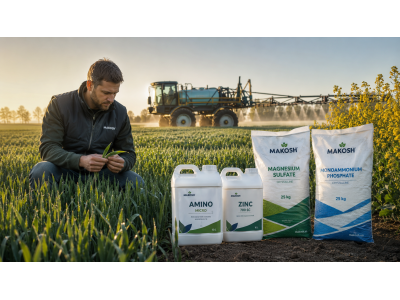
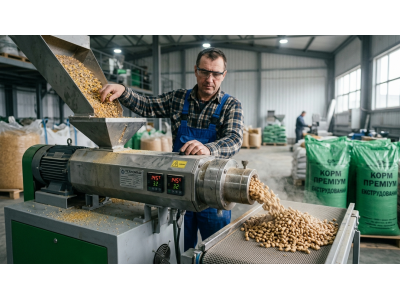
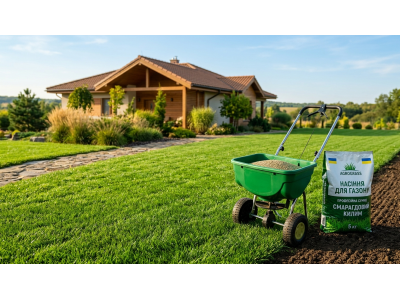
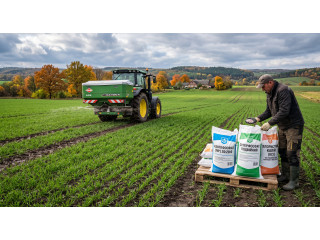
Kraft paper bags are confidently replacing polypropylene and polyethylene packaging in the agricultural sector. For packaging seeds and dry fertilizers, multilayer paper has become an industry standard, as it solves the main tasks of agribusiness: preserving grain germination, preventing caking of mineral compounds, and creating an attractive product appearance.
Key benefits of paper seed bags
Seed material is a "living" product that constantly breathes and sensitively reacts to the microclimate inside the package. That is why modern paper seed bags have a porous kraft paper structure, which provides agricultural producers with a number of critical advantages:
-
Natural air microcirculation. Paper provides constant gas exchange, so the seeds do not rot, suffocate, or accumulate excess internal moisture.
-
Preserving germination and germination energy. The absence of a greenhouse effect prevents premature seed awakening or the development of fungal spores and mold during long off-season storage.
-
Ultraviolet protection. Thick kraft paper blocks direct sunlight, preserving the germination and biological activity of the seed material.
Features of using containers for mineral and organic fertilizers
Packaging of fertilizers requires a special approach due to their hygroscopicity and chemical activity. For this group of goods, multilayer bags (from 2 to 5 layers) are used, in which paper layers are combined with special barrier technologies:
-
Moisture barrier. The use of an inner layer with polyethylene lamination or liner reliably isolates the granules from moisture, preventing them from caking and losing friability.
-
Chemical resistance. High-quality kraft paper does not enter into a chemical reaction with fertilizer components, preserving their original formula and concentration of active substances.
-
Spray protection. Tight valves and strong seams prevent fine fertilizers from spilling during transport and unloading.
Technological strength and logistical convenience
Modern bags are made of micro-crepe or high-strength sulphate kraft paper. They withstand high dynamic loads during falling and automated packaging on lines.
The rough surface of the paper provides a high coefficient of friction. Unlike slippery polypropylene, paper bags form monolithic pallets that do not spread during transportation on field or dirt roads. This reduces the percentage of fights and simplifies loading and unloading operations.
Environmental friendliness and brand marketing advantage
Agricultural holdings and farms are increasingly focusing on sustainable development (ESG) standards. Kraft paper is a renewable, fully biodegradable material. After use, the bags can be easily recycled as waste paper, which saves farmers from the problem of accumulating plastic waste on the farm.
The smooth surface of the paper is ideal for high-quality flexographic printing. The manufacturer can apply detailed instructions, application schemes, composition, QR codes of quality certificates and a full-color logo. By ordering high-quality kraft bags for agricultural products with corporate branding, the company forms the perception of the product as premium, which directly affects brand recognition, customer loyalty and stable sales growth.